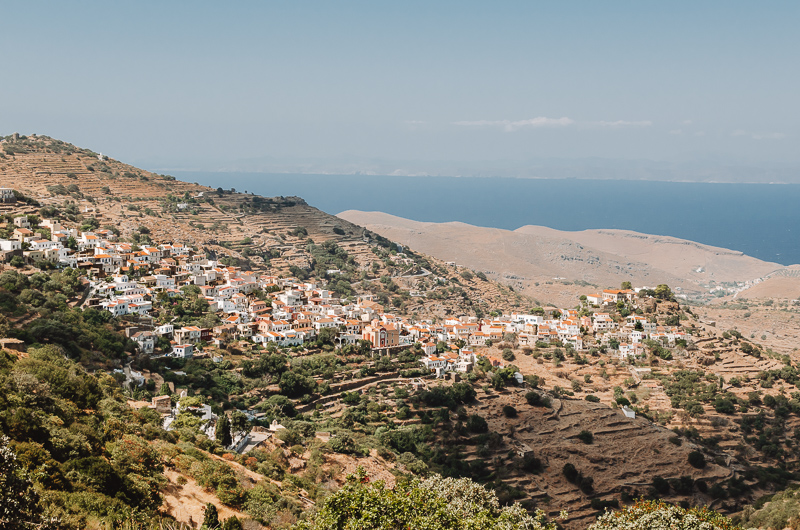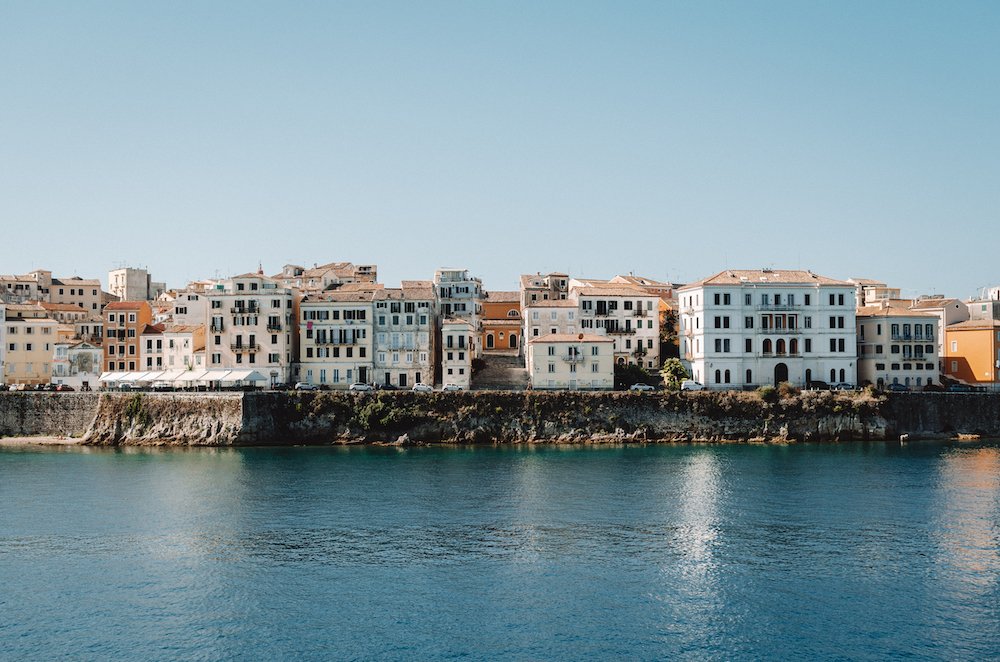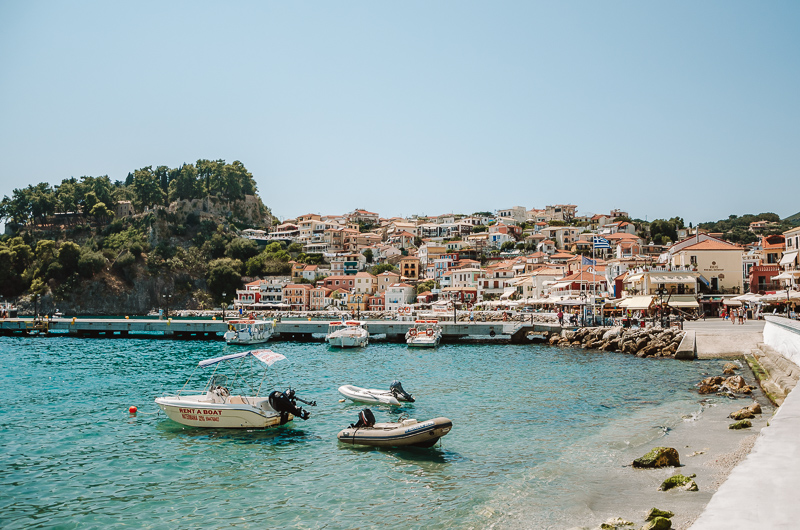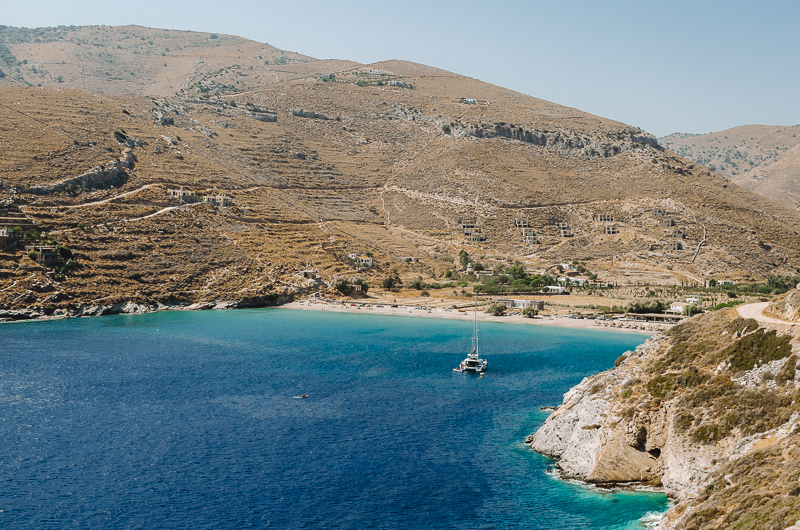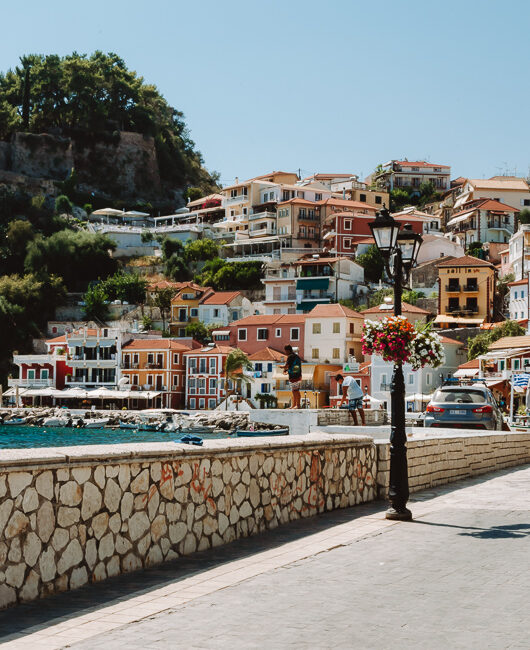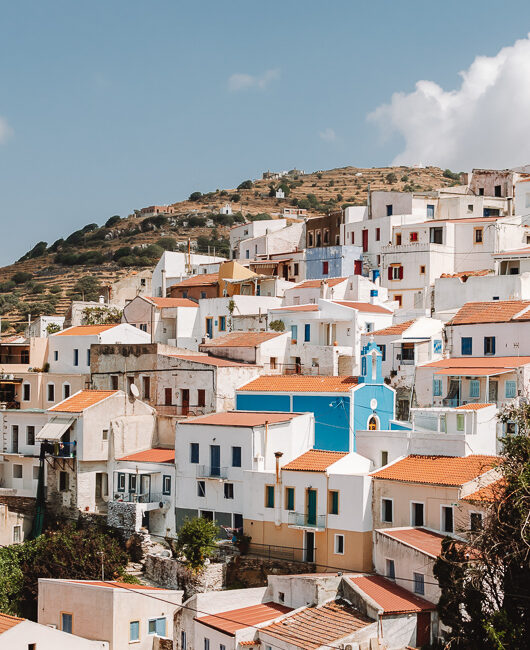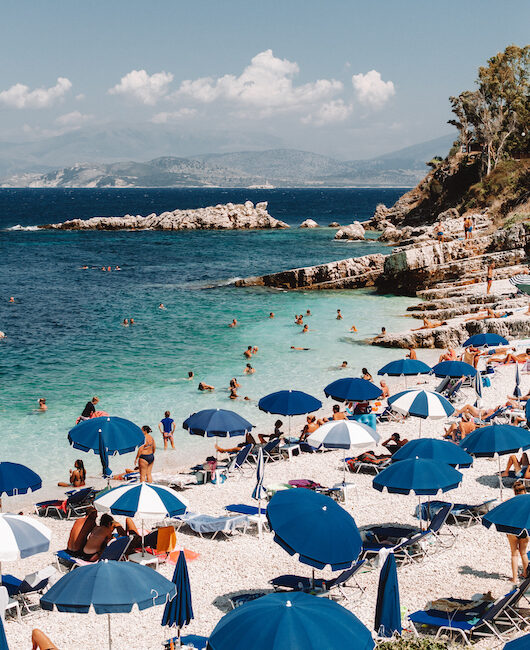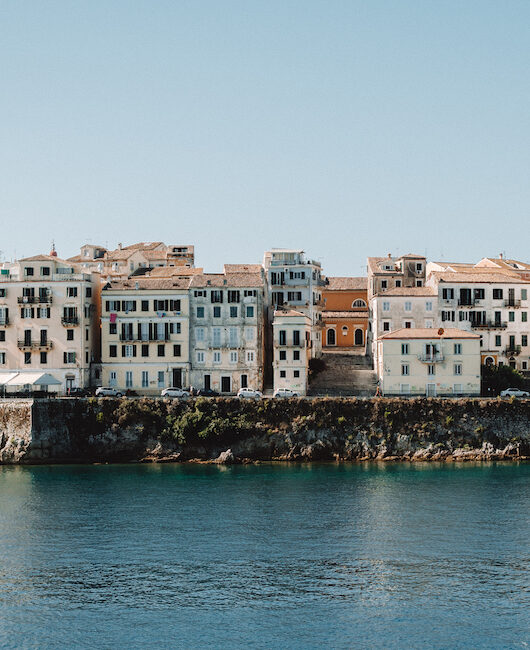




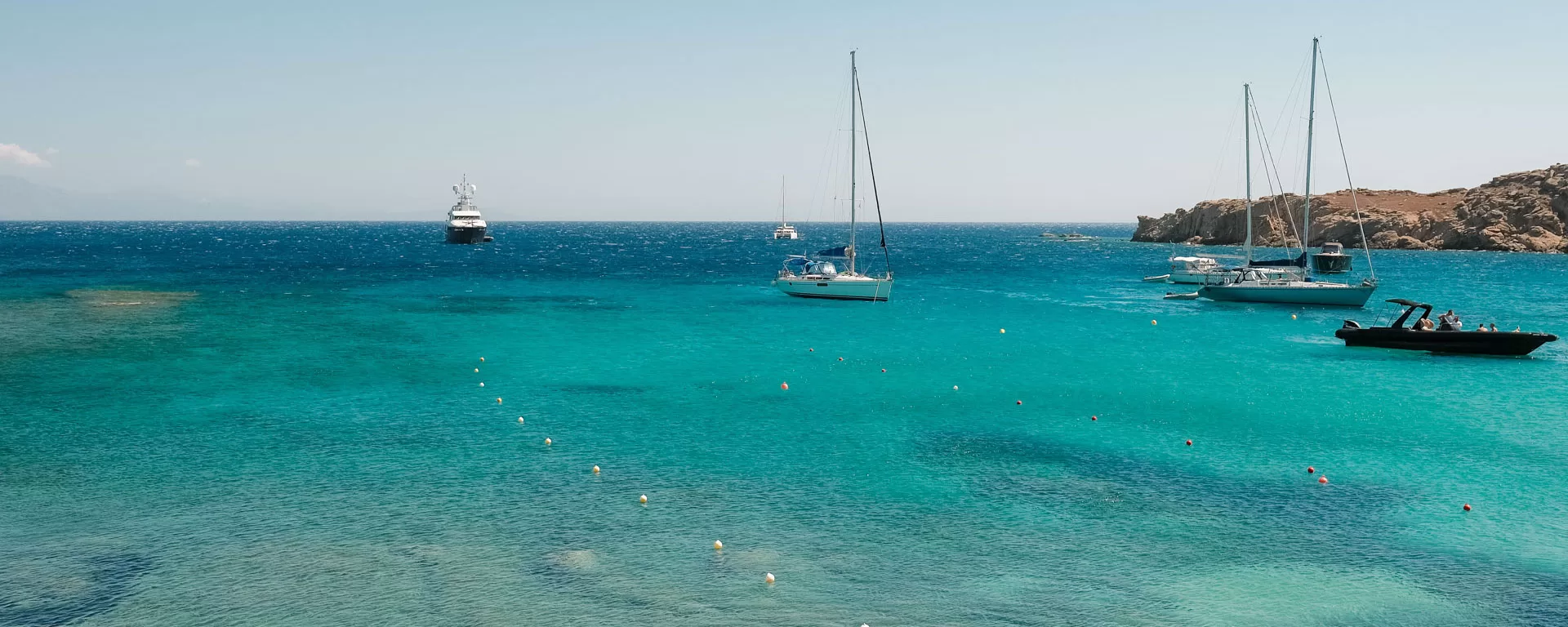
Thinking about visiting Greece? What an amazing idea! I’ve put together this Greece travel guide to help you prepare your trip as best as you can. Greece is my favourite country in the world, and I can’t wait for you to discover it and enjoy it as much as I do.
Whether you want to visit Greece for its history, its typical architecture, its beaches, its food, or to get to know its friendly and kind people, this Mediterranean country has it all! Get ready for a magical adventure. Let’s dive into my Greece travel guide!
This page contains affiliate links. If you book through my links, I earn a small commission at no extra cost to you. Thank you for supporting The Beach Muse!
Start with these destinations to immerse yourself in Greece’s beauty and culture.
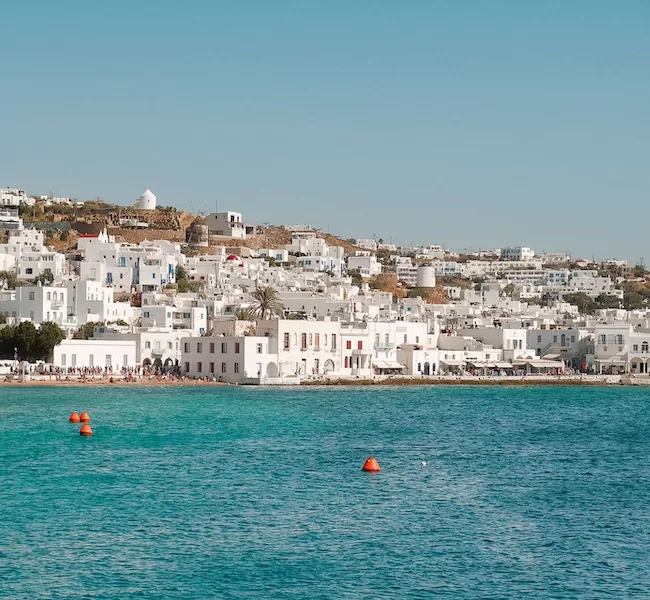
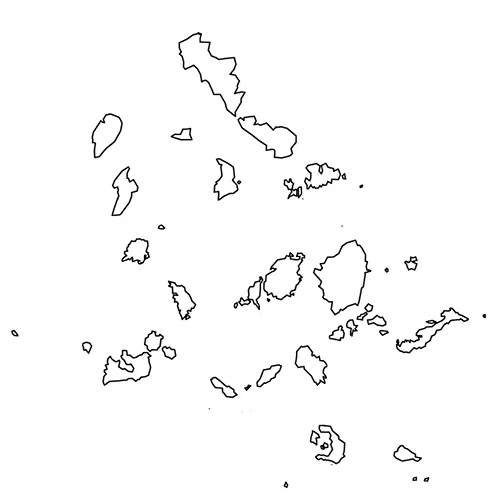
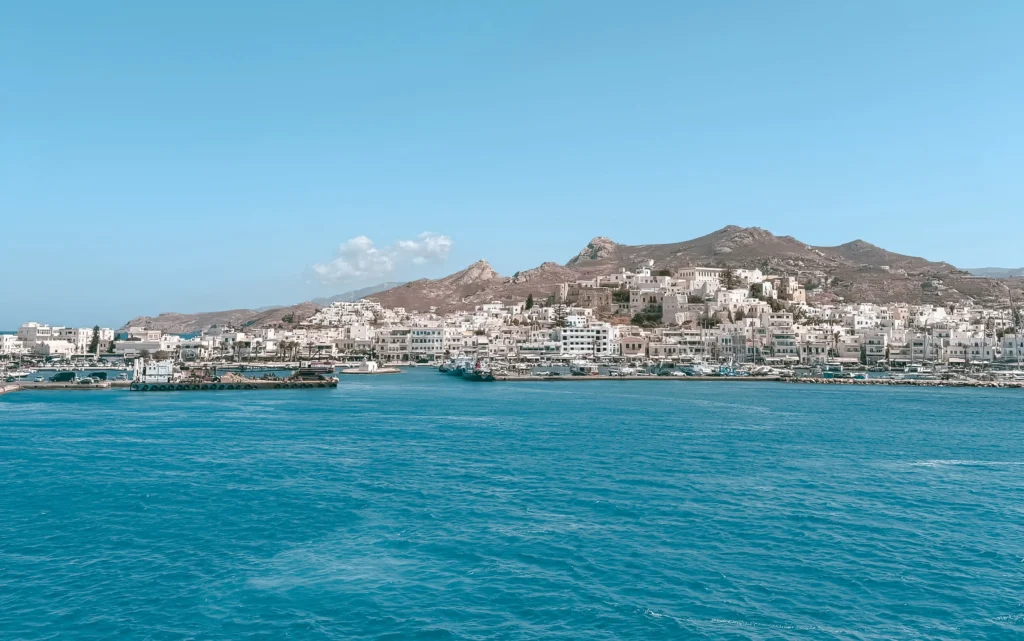
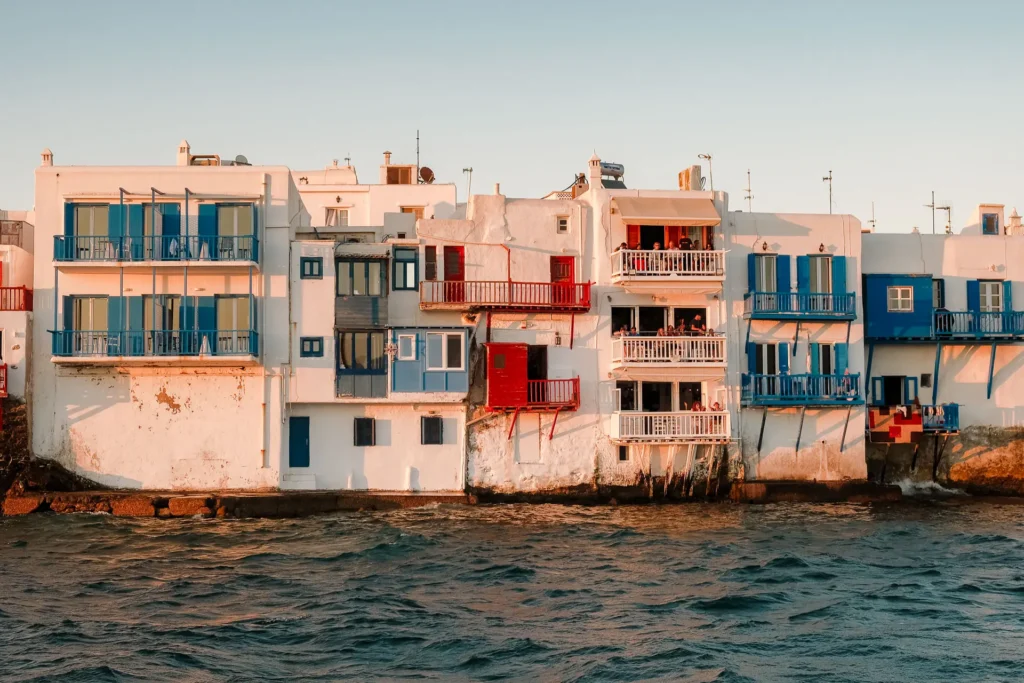
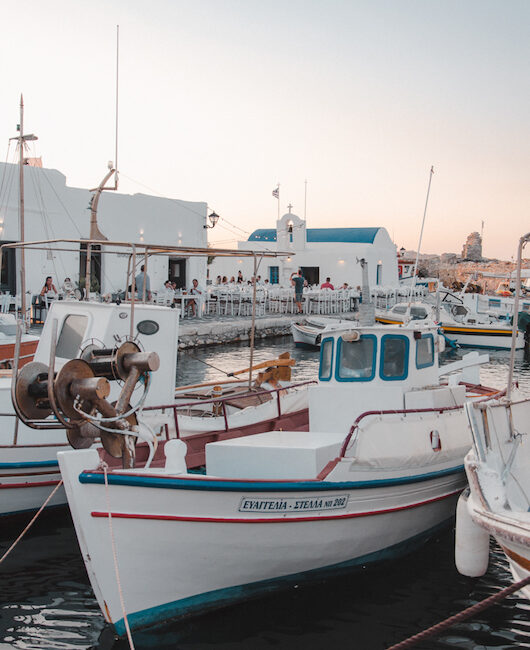
The Cyclades: Mykonos, Paros, Santorini, Milos, Naxos… these are the islands with iconic whitewashed villages and deep blue domes that most people picture when they think of Greece. Explore the Cyclades →
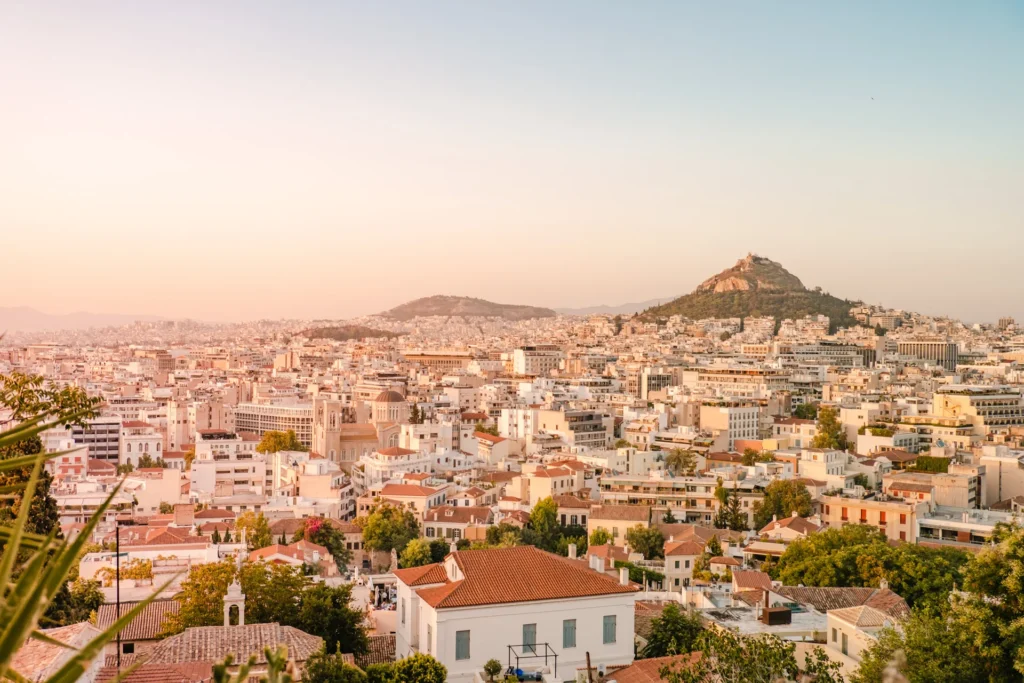
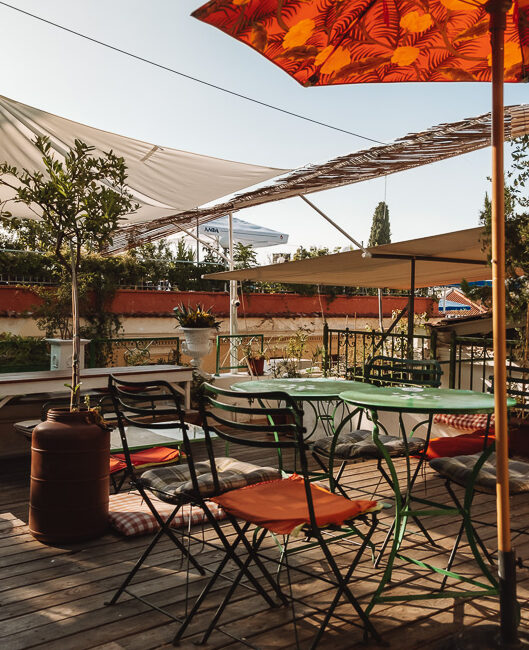
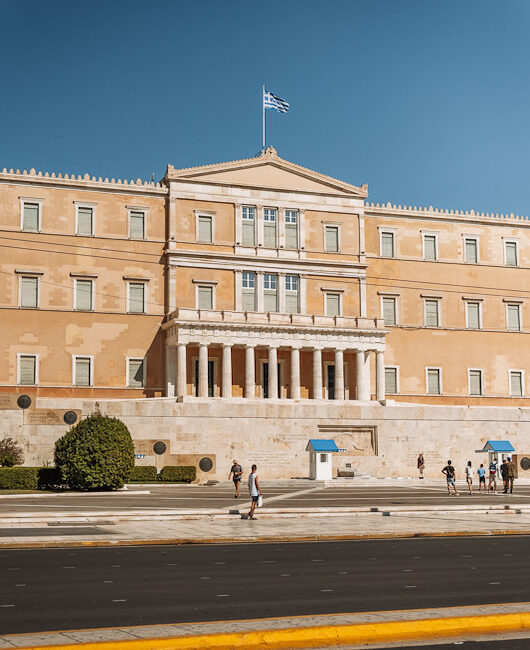
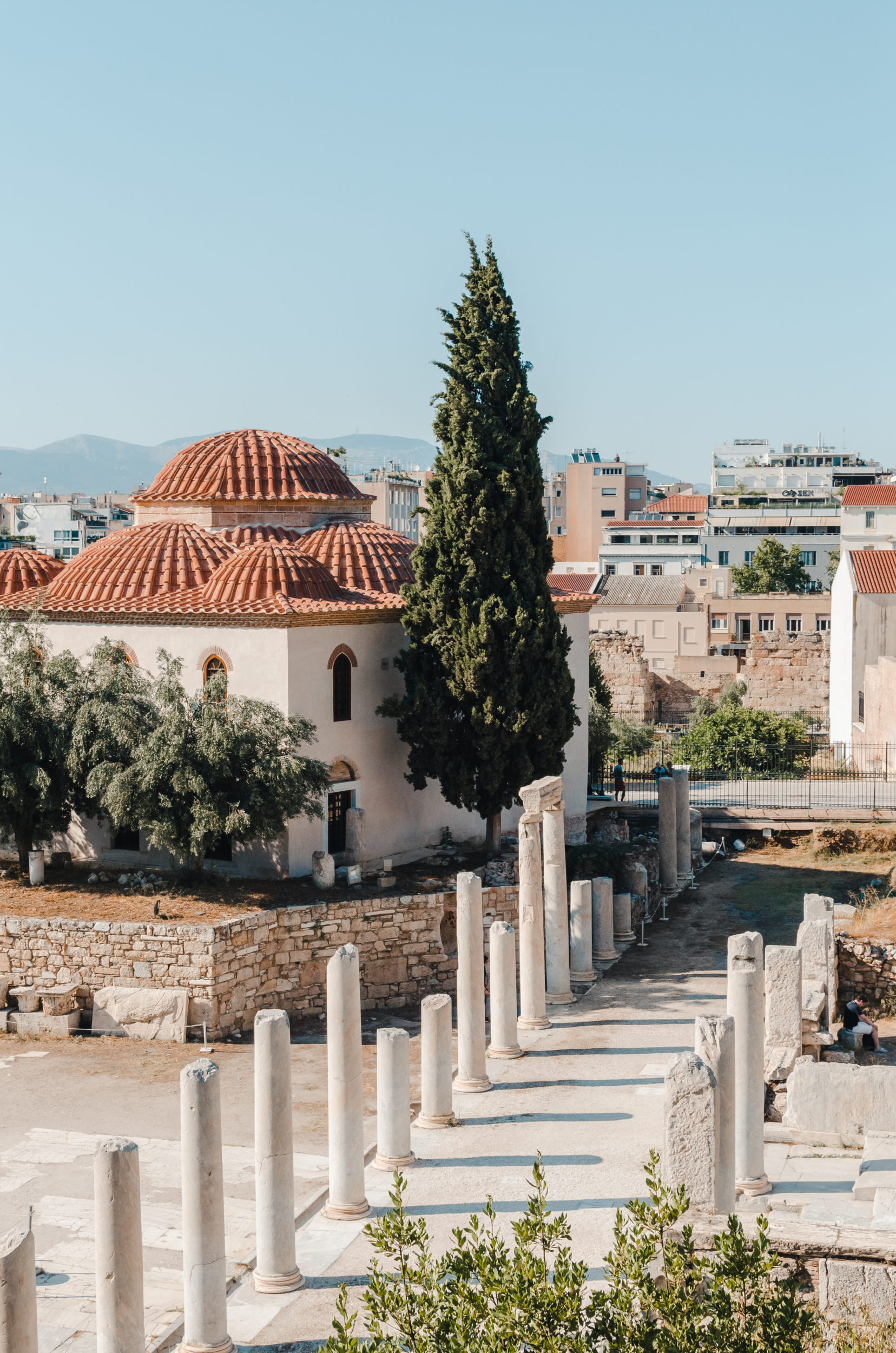
Athens: Greece’s capital is so much more than a stopover. Ancient ruins, vibrant neighborhoods, very cool rooftop bars, and one of the best food scenes in the Mediterranean. Explore Athens →
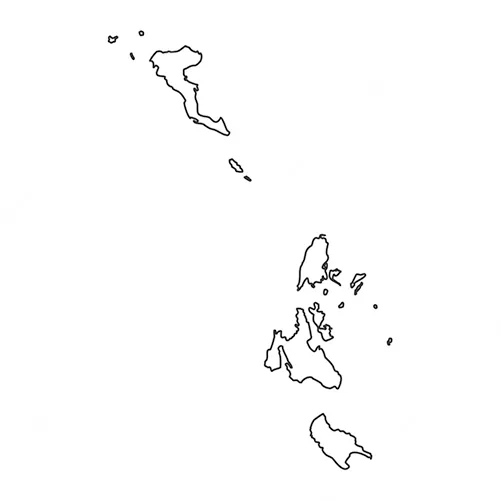
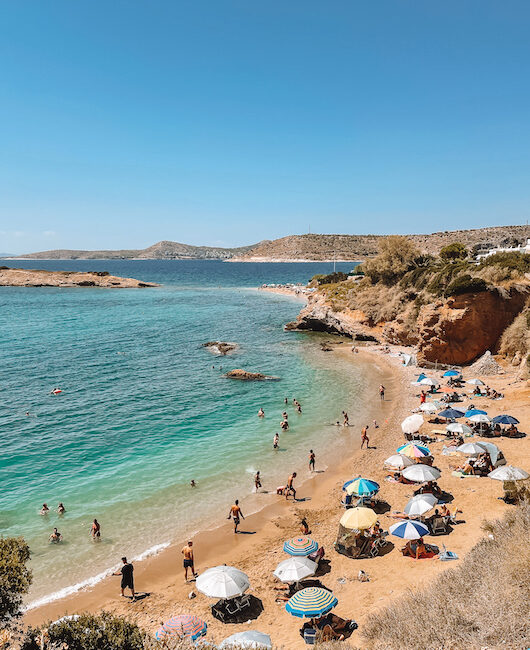
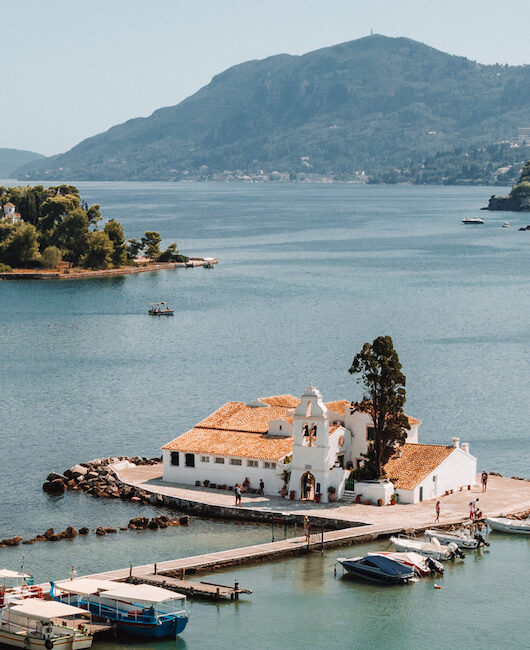
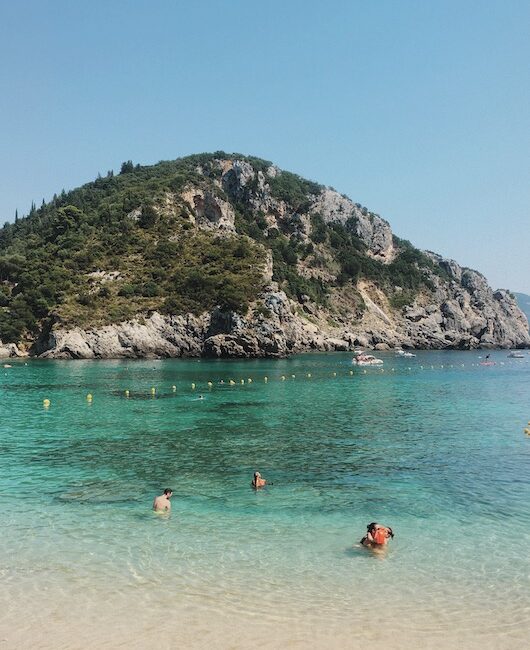
The Ionian Islands: Corfu, Kefalonia, Zakynthos, Lefkada… the greenest, most lush islands in Greece, with turquoise water that rivals the Caribbean. Explore the Ionian Islands →
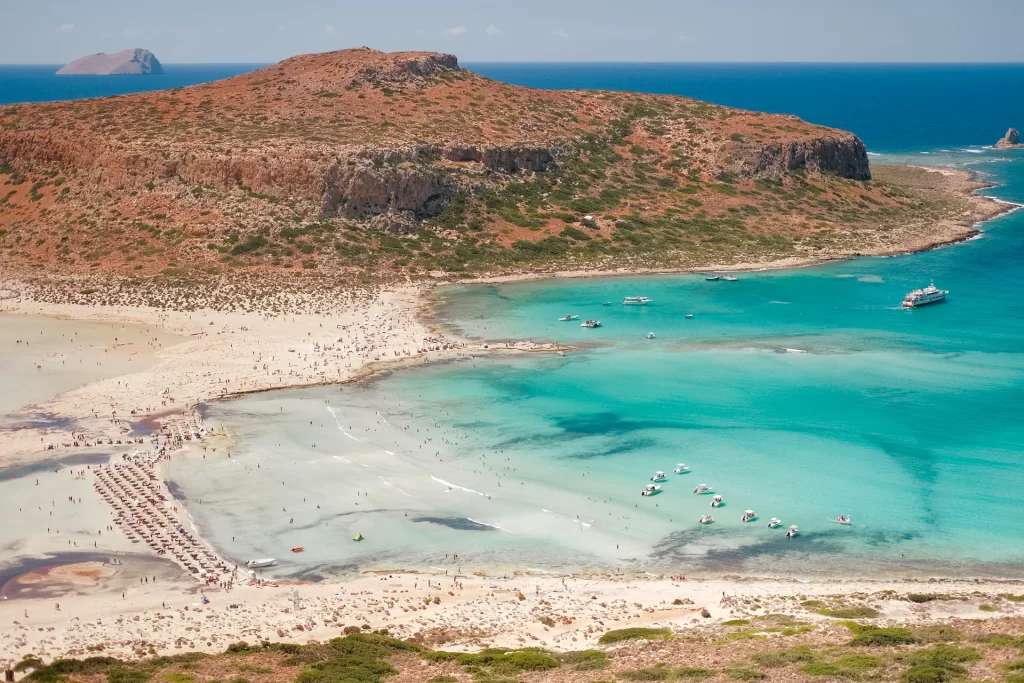
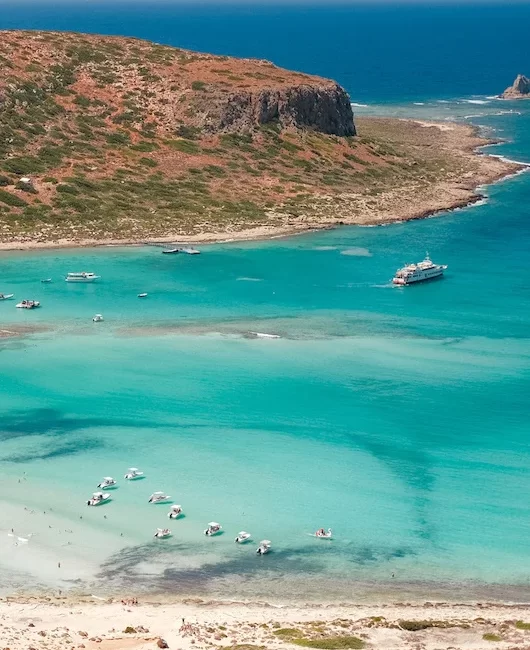
Crete: Greece’s largest island deserves at least a week. Gorges, Minoan ruins, incredible food and some of the most beautiful beaches in Europe. Explore Crete →
The Peloponnese: Ancient Olympia, Byzantine Mystras, the dramatic Mani peninsula… This is a region for history lovers and hikers, and the perfect place to relax in a peaceful setting. (coming soon)
If you’ve already ticked off Athens and the most famous islands, Greece still has so much left to surprise you with. These destinations are less visited, but every bit as spectacular.
Meteora: One of the most extraordinary sights in all of Europe: ancient monasteries perched on top of soaring rock formations in the heart of Thessaly. Otherworldly at sunrise.
The Dodecanese Islands: Rhodes, Kos, Patmos, Symi… a string of islands stretching along the Turkish coast, each with its own distinct character, history and beaches.
The Saronic Islands: Hydra, Spetses, Aegina. Just a short ferry ride from Athens, these islands offer a slower, more authentic pace with no cars and gorgeous neoclassical architecture. (guide coming soon)
Thessaloniki: Greece’s second-largest city is a food lover’s paradise, with a vibrant nightlife, Byzantine monuments, and a creative energy that feels completely different from Athens.
How much does a trip to Greece cost: the complete guide →
A trip to Greece costs between 60 and 150€ per person per day minimum, depending on your travel style, the islands you choose, and the time of year. Greece has become more expensive in recent years, but it remains good value compared to most Western European destinations, as long as you choose your islands wisely! Here’s a breakdown to help you plan your budget.
Budget traveller (50-80€/day): Entirely doable on the mainland (Athens, Thessaloniki, Peloponnese), in the Ionian Islands (Corfu, Kefalonia) and on the less touristy Cyclades islands like Naxos or Paros. Think hostel or basic guesthouse, gyros and souvlaki at local tavernas, public buses, and the occasional ferry. Crete also falls into this category if you stay away from the resorts, it’s a large island with plenty of affordable, local options.
Mid-range (80-150€/day): A comfortable hotel or Airbnb, eating out for most meals, renting a scooter or sharing a car. This is the sweet spot for most travellers visiting the Ionian Islands or the Cyclades. Factor in ferry tickets between islands (30-80€ per crossing) and entrance fees to archaeological sites (12-30€ each), which add up fast.
Premium (150€+ /day): Boutique hotels, nicer restaurants, private boat trips, peak season pricing. Budget significantly more if you’re heading to Mykonos or Santorini in July or August.
Mykonos and Santorini are a different category entirely. These two islands operate on a completely different price scale. Budget travellers should expect to spend at least 65€/day in Mykonos, and that means hostel dorm, street food, and public buses only. No clubbing at the most famous clubs or lounging on sunbeds at a trendy beach club all day.
If you want to enjoy Mykonos properly, which means a decent hotel, meals at restaurants, a beach club afternoon and a few drinks, budget at least 250-300€/day per person in peak season. July and August are the most expensive months.
Santorini follows a similar pattern, where hotels with spectacular views alone can cost several hundred euros per night.
A few things that catch people off guard: Ferry tickets between islands add up quickly (30-80€ per crossing), entrance fees to archaeological sites have increased significantly (12-30€ each), and prices in July and August can be up to 40% higher than in May or September. Greece also introduced a Climate Resilience Tax in recent years, which applies per room per night depending on hotel category.
Read more: How much does a trip to Greece cost: the complete guide →
No Greece travel guide would be complete without covering greek ferries! Ferries are the soul of Greek island travel, and taking one is an experience in itself! Many Greek islands do not have an airport (the unspoiled ones!) and the only way to get there is by ferry. Most ferries depart from Athens, where the port of Piraeus handles the majority of routes to the Cyclades, Crete and the Dodecanese, while Rafina serves the closer Cyclades as well (Andros, Tinos, Mykonos) and Lavrio is the departure point for Kea. For the Ionian Islands, ferries depart from ports on the western mainland coast.
The two main companies are Blue Star Ferries and Minoan Lines. I recommend booking in advance in summer, popular routes fill up fast, especially in July and August! A good platform to compare routes and prices is Ferryhopper, that’s the one I always use to book my ferries in Greece. They even have an app which comes in handy for keeping all your ferry tickets in one place on your phone!
One thing to keep in mind: ferry tickets add up. Budget 30-80€ per crossing depending on the route and whether you choose a slow ferry or a fast one.
If your time in Greece is short, flying between islands or cities is often the smartest option! Athens and Thessaloniki are the main hubs, with Aegean Airlines and Sky Express operating most domestic routes. Most famous islands are reachable by plane, some even with direct flights from abroad (Mykonos, Santorini, Crete, Rhodes, Corfu…).
Some smaller Cyclades islands (Paros, Naxos and Milos…) have airports, but they only operate domestic routes from Athens or Thessaloniki. No international connections.
Some islands (Karpathos for example) take a full day to reach by ferry, making a 1-hour flight a much better use of your holiday! Totally worth it for long ferry distances.
If your budget allows it, rent a car! Both on the mainland and on the islands. This is my number one piece of advice for exploring Greece properly!
On the mainland, it’s almost non-negotiable. Many of the best beaches, villages and archaeological sites are in remote areas with no public transport at all. Without a car, you’ll miss a huge part of what makes Greece so special.
On the islands, buses do exist but they don’t run very frequently, rarely cover the whole island, and tend to stick to the main routes between the port and the main town. If you want to reach that secluded beach or that hilltop village (and you do!!), you need your own wheels. Most islands also have scooters and quads available for rent if you prefer something smaller. In Mykonos, I would suggest renting a scooter to park easily! Although it can be pretty windy at night and cold on the scooter, so always keep a long-sleeved top with you.
I recommend Booking.com for comparing prices across providers. And book as early as possible, rates increase significantly as summer approaches!
Forget trains in Greece, the rail network is very limited and only connects Athens to Patras, Thessaloniki and a handful of other destinations (though a few routes are genuinely scenic if you have time). For getting around the mainland and larger islands, the KTEL bus network is your best friend! It’s affordable, covers most towns and villages, and runs fairly reliably. Each region has its own KTEL company with its own website, just search “KTEL” + your destination to find timetables and station addresses.
Greece has accommodation for every budget and every travel style, from 20€ hostel dorms to clifftop villas at several thousand euros a night! Here is a rough overview to help you plan.
Budget (20-50€/night per person): Hostels are available in Athens and on all popular islands like Corfu, Naxos and Crete, and also in the Cyclades of course. Basic guesthouses and family-run studios (a staple of Greek island travel!) often offer incredible value in this range, especially outside of July and August. Don’t overlook them in favour of bigger hotels.
Mid-range (100-150€/night per room): Comfortable hotels, boutique guesthouses and Airbnbs in great locations. You can find beautiful, characterful places to stay for quite reasonable prices, particularly in the Ionian Islands, Crete and the lesser-known Cyclades like Paros or Milos.
Premium (200€+/night per room, and much more on certain islands): On Cyclades islands like Paros and Naxos, a nice boutique hotel will easily cost 150-200€+ per night in summer. I paid 200€/night in Paros and 190€/night in Naxos at the end of last September (for 2), and that was already off-peak. On Mykonos and Santorini, expect to pay 300-500€+ for anything decent in peak season, and significantly more for a caldera-view suite or a design hotel. The sky is genuinely the limit on these islands!
A few practical tips: Book as early as possible for July and August! The best places fill up months in advance. I usually like to book minimum 6 to 8 months in advance! In shoulder season (May-June and September-October), you can often find great last-minute deals. For the most authentic experience, look for family-run guesthouses and studios on Booking.com (filter by “guesthouses”) or on Airbnb, or search directly on Google especially on smaller islands where the best places are often not listed on the big platforms. They always offer better value, better locations and a much warmer welcome!
I always use Booking.com to find and compare accommodation across Greece. Check current hotel prices here →
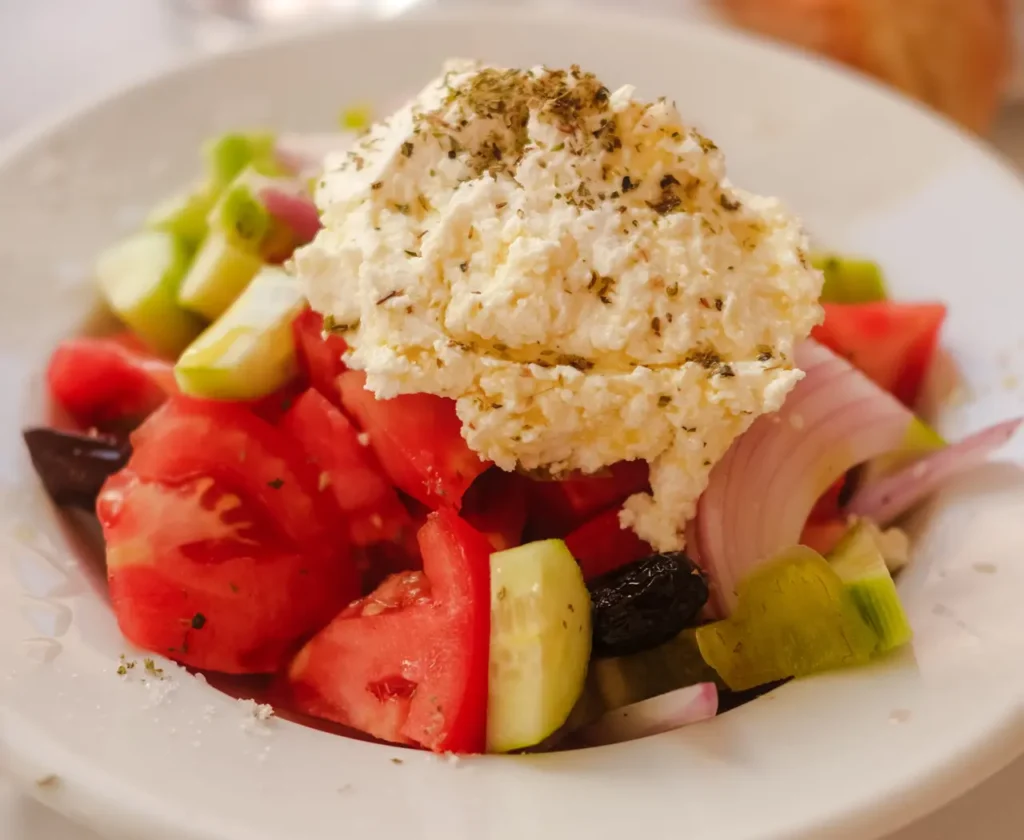
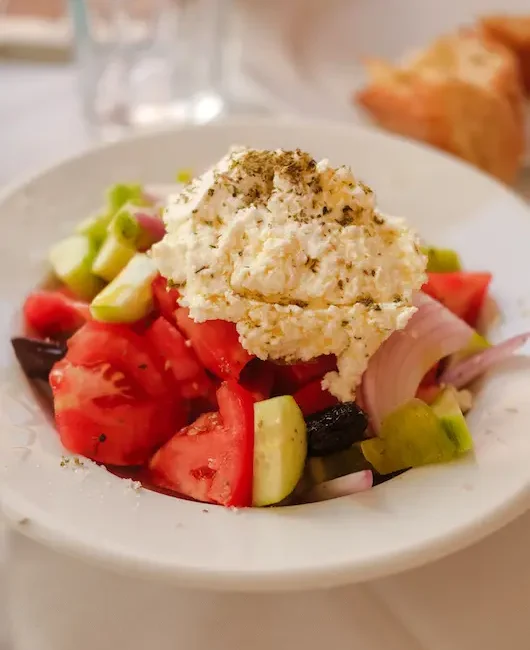
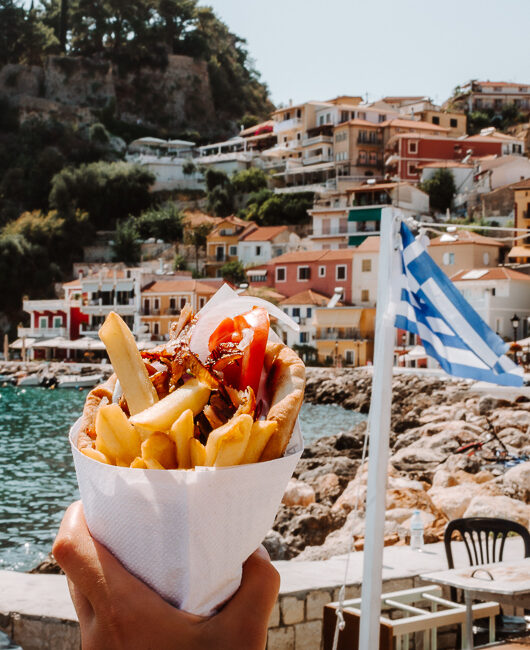
Honestly, Greek food alone is a reason to visit! Everything tastes better here. The tomatoes are sweeter and juicier, the olive oil is richer, the seafood is fresher… Don’t leave without trying moussaka, gyros, grilled octopus, spanakopita, loukoumades, and of course a proper Greek salad with real feta.
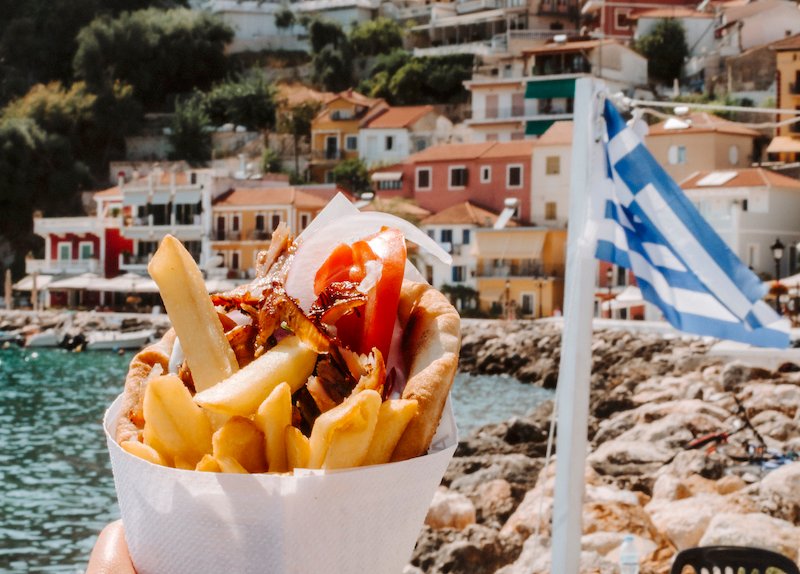
For budget eating, stick to local bakeries for breakfast and family tavernas away from the waterfront. Same quality, almost half the price! Gyros are also my go-to quick and cheap meal. But if you’re not sure what to order when you see gyros, souvlaki and kebab all on the same menu, I’ve got you covered. Read my guides below to learn how and what to eat in Greece!
To help you make the most of your time in Greece, I’ve put together a series of curated Google Maps guides. Hand-picked spots, beaches, restaurants and hidden gems I’ve personally tested, organised by destination and by category. No scrolling through hundreds of reviews, just the best places, selected from personal experience! Hope you enjoy it 🙂
🗺️ Corfu Google Maps Guide coming soon!
The best time to visit Greece is May-June or September-October in my opinion. These shoulder months offer the perfect combination of warm weather, swimmable sea, manageable crowds and prices that haven’t gone through the roof!
May-June: my favourite window. The landscape is still green and lush, wildflowers are everywhere, temperatures are nice (between 22 and 28°C), and the sea is already warm enough to swim. Most tourist infrastructure is open but the summer crowds haven’t arrived yet. Perfect for hiking, sightseeing and beach days alike.
July-August: peak season. Greece is at its hottest and most vibrant, but also at its most crowded and most expensive. Ferries fill up fast, popular beaches get packed by 10am, and accommodation prices can double or triple compared to shoulder season. If this is your only option, go early to the beach and book everything well in advance, at least 6-8 months to get the best accomodation.
September-October: possibly the best kept secret for visiting Greece and my second favourite time of the year in Greece! The sea is at its warmest (heated all summer), the crowds have thinned, the light is extraordinary, and prices drop noticeably. I often visit in late September and it is genuinely perfect: warm enough to swim every day and quiet enough to actually enjoy it. October is still lovely, though some island businesses start to close from mid-October onwards.
November-April: most island infrastructure are closed and ferry schedules are reduced significantly. Athens and the mainland remain accessible year-round and are worth visiting for history and culture, but beach holidays are off the table. The exception is a mild, quiet winter escape if you don’t mind some rain and a slower pace. April is actually a great month to visit Athens!